Biographical information
Richard Loosemore is currently a lecturer in the Department of Mathematical and Physical Sciences at Wells College, Aurora NY, USA, where he teaches courses in physics, math, computer science and cognitive neuroscience.
English by birth (but resident in the United States since his marriage in 1995), he graduated from University College London, and then later from the University of Warwick, and his background includes research in physics, artificial intelligence, cognitive science, software engineering, philosophy, parapsychology and archaeology.
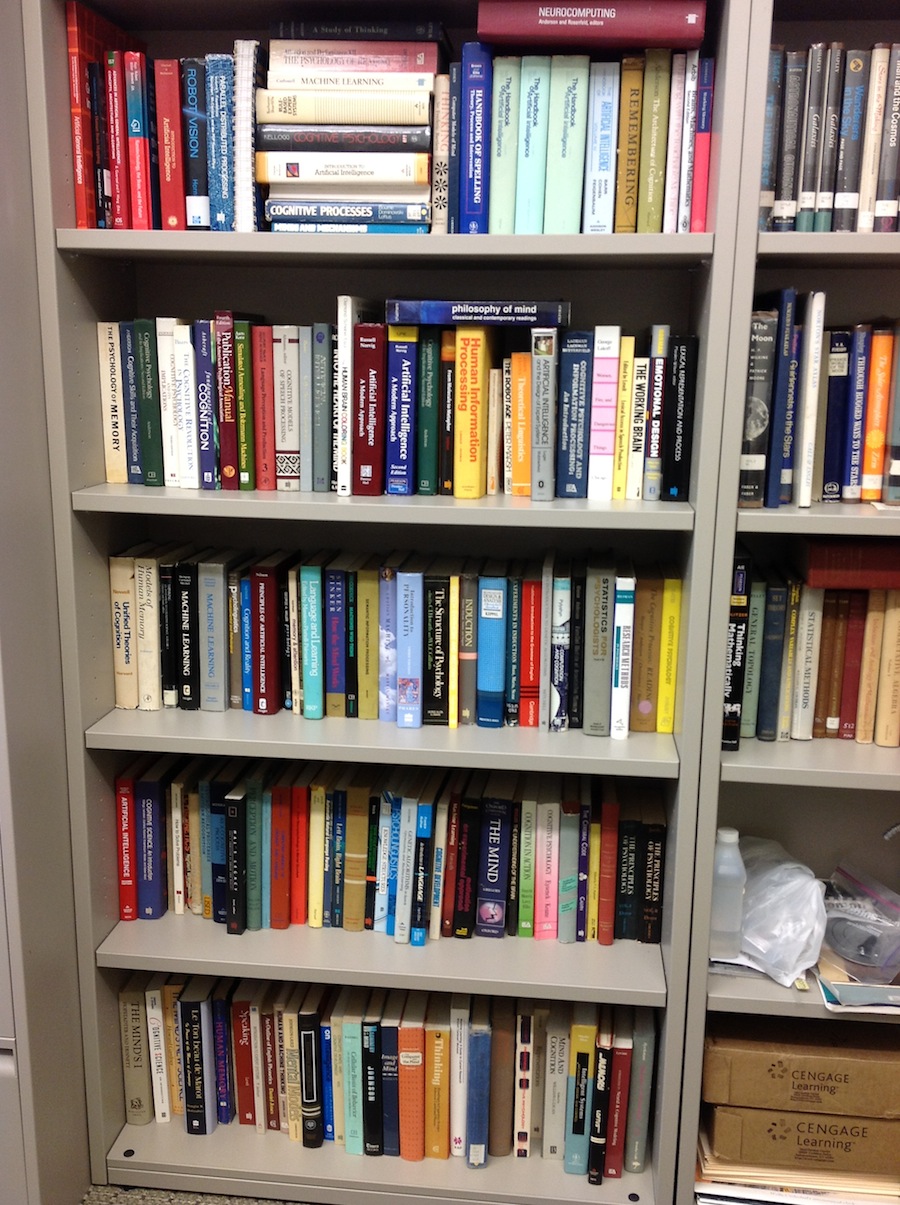
In case that collection of research interests seems to make no sense: it started with physics, then came a fascination with the mind (and in particular the nature of concept learning) which naturally led to the field called "neural nets" (this area is midway between cognitive science and physics). But then it is critical to know computing if you want to build seriously large models of cognition. Finally, who can possibly resist the temptation to get into philosophy of mind, if you are already into cognitive psychology?
The only peculiar item in the list is archaeology. Explanation: first job out of college was at the British Museum Research Laboratory, just down the road from the University College London Physics and Astronomy Department (the job being to date pottery and burnt flints using the thermoluminescent dating procedure).
Today, Loosemore's main research interest is in the area known as Artificial General Intelligence, which seeks a return to the original roots of AI (which was originally about the construction of complete, human-level thinking systems). Unlike many AI researchers, however, his work is very close to cognitive psychology. He has published papers explaining that the "complex-system" nature of intelligence makes it almost impossible to build a safe and functioning AI unless its design is as close as possible to the design of the human cognitive system. He considers the safety and friendliness of intelligent systems to be of paramount importance, and one aspect of his work involves the development of AGI motivation mechanisms that are guaranteed to be safe and friendly.
Other activities and interests that have occupied him at various times include: electronics, astronomy, choral singing, cello, experimental parapsychology, sporadic attempts to learn Japanese and Russian, mathematics, Aikido, drawing and painting, cubing, tennis, cat herding, amateur chemistry, contemporary dance, furniture making, wilderness camping, and a no-holds-barred renovation battle between himself and the 1850's Classical Revival farmhouse in which he resides.

Department of Mathematical and Physical Sciences